P99 CONF 2022 Agenda Revealed

Editor’s Note: P99 CONF 2022 is now a wrap! You can (re)watch all videos and access the decks now.

ACCESS ALL THE VIDEOS AND DECKS NOW

P99 CONF is shaping up to be an incredible event. Already thousands of people have registered to attend. Best of all, because it’s all online and free, there’s no limits to attendance! You can register right now for two days of keynotes and interactive tech talks on all things P99.

P99 CONF is a free virtual event scheduled for Wednesday and Thursday, October 19th and 20th, 2022, from 8:00 AM to 1:00 PM Pacific Daylight Time (PDT) — 16:00 – 20:00 UTC.

REGISTER NOW

What You Get for Registering

As a registered attendee of P99 CONF you gain full and free access to all of the following:

  • Two days of scheduled online sessions, including keynotes and breakouts
  • Presentation decks
  • Our “Speaker’s Lounge,” a live interactive virtual talk show with our guests of honor
  • Extensive, exclusive on-demand only content
  • Entry into contests for awesome prizes

Schedule of Events

Wednesday, October 19th, 2022

Time (PDT) Main Stage
8:30 AM Welcome Day 1
8:35 AM Misery Metrics & Consequences
Gil Tene, Azul Systems
9:05 AM Using eBPF for High-Performance Networking in Cilium
Liz Rice, Isovalent
9:35 AM Day 1 Preview
Breakout Sessions Stage 1 Stage 2
9:45 AM Removing Implicit Deadlocks on a Thread-per-Core Architecture with 2-Phase Processing
Alex Gallego, RedPanda
A Deep Dive into Query Performance
Peter Zaitsev, Percona
10:10 AM Overcoming Variable Payloads to Optimize for Performance
Armin Ronacher, Sentry.io
Square Engineering’s “Fail Fast, Retry Soon” Performance Optimization Technique
Omar Elgabry, Square
10:35 AM Measuring the CPU Performance of Android Apps at Lyft
Pavlo Stavytskyi, Lyft
Aggregator Leaf Tailer: Bringing Data to Your Users with Ultra Low Latency
Jeffery Utter, theScore
11:00 AM Throw Away Your Nines
Alex Hidalgo, Nobl9
What’s New in IO Scheduling for ScyllaDB 5.0?
Pavel Emelyanov, ScyllaDB
Main Stage
11:35 AM Ultra-Low Latency Web Rendering on the Edge
Malte Ubi, Vercel
Breakout Sessions Stage 1 Stage 2
12:00 PM Properly Understanding Latency is Hard — What We Learned When We Did it Correctly
Brian Taylor, Optimizely
End-to-End Performance Testing, Profiling and Analysis at Redis
Felipe Oliveira, Redis
12:25 PM Three Perspectives on Measuring Latency
Geoffrey Beausire, Criteo
Building Efficient Multi-Threaded Filters for Faster SQL Queries
Vlad Ilyushchenko, QuestDB
12:50 PM Why User-Mode Threads are Often the Right Answer
Ron Pressler, Oracle
cachegrand: a Take on High Performance Caching
Daniele Salvatore Albano, Microsoft
Main Stage
1:15 PM P99 Pursuit
Dor Laor, ScyllaDB
1:45 PM Wrap-Up and Day 2 Preview

Thursday, October 20th, 2022

Time (PDT) Main Stage
8:35 AM Welcome Day 2
8:40 AM Performance Tuning with Precision
Charity Majors, Honeycomb
9:10 AM Sharpening the Axe: The Primacy of Toolmaking
Bryan Cantrill, Oxide Computer
9:40 AM Day 2 Preview
Breakout Sessions Stage 1 Stage 2
9:50 AM Measuring P99 Latency in Event-Driven Architectures with Open Telemetry
Antón Rodriguez, New Relic
Analyze Virtual Machine Overhead Compared to Bare Metal Tracing
Steven Rostedt, Google
10:15 AM Clouds are Not Free: Guide to Observability-Driven Efficiency Optimizations
Bartłomiej Płotka, Red Hat
Linux Kernel vs. DPDK: HTTP Performance Showdown
Marc Richards, Talaweh
10:40 AM Continuous Performance from Load Testing to SRE and Beyond
Leandro Melendez, Grafana k6
Optimizing Servers for High Throughput and Low Latency
Alexey Ivanov, Dapper Labs
11:05 AM Performance Insights into eBPF, Step-by-Step
Dmitrii Dolgov, Red Hat
It’s Time to Debloat the Cloud with Unikraft
Felipe Huici, Unikraft
Main Stage
11:30 AM How a Database Looks from a Disk’s Perspective
Avi Kivity, ScyllaDB
Breakout Sessions Stage 1 Stage 2
12:05 PM Keeping Latency Low for User-Defined Functions with WebAssembly
Piotr Sarna, ScyllaDB
Testing Persistent Storage Performance in Kubernetes with Sherlock
Sagy Volkov, Lightbits Labs
12:30 PM The Role of Machine Learning in Cloud Native Performance Optimization
Brian Likosar, StormForge
Taming Go’s Memory Usage — and Avoiding a Rust Rewrite
Mark Gritter, Akita
12:55 PM Why Kubernetes Freedom Requires Chaos Engineering to Shine in Production
Henrik Rexed, Dynatrace
Apache Iceberg: An Architectural Look Under the Covers
Alex Merced, Dremio
1:20 PM Large-Scale Semi-Automated Go Garbage Collection Tuning at Uber
Christian Velazquez, Uber
Speedup Your Code Through Asynchronous Programming
Sabina Smajlaj, Hudson River Trading
Main Stage
1:40 PM Wrap Up and Prizes

Exclusive P99 CONF Instant Access Sessions

These sessions are available for free to any P99 CONF registrants at any time throughout the event. With top-tier sessions from companies like Intel, PingCAP, ScyllaDB, RavenDB, and more, these are talks you don’t want to miss!

Building a High-Performance Scalable Metadata Service for al Distributed Filesystem
Bin Fan, Alluxio
How We Reduced Performance Tuning Time by Orders of Magnitude with Database Observability
Song Yuying, Chen Huansheng, PingCAP
C# as a System Language
Oren Eini, RavenDB
Implementing Highly Performant Distributed Aggregates
Michał Jadwiszczak, ScyllaDB
Capturing NIC and Kernel TX and RX Timestamps for Packets in Go
Blain Smith, Subspace
Improving Performance of Micro-Frontend Applications through Error Monitoring
Garrett Hamelin, Airbrake
Cutting Through the Fog of Virtualization
Bernd Bandemer, Clockwork
The Observant Developer — OpenTelemetry from Code to Prod
Roni Dover, Digma
Evaluating Performance in Go
William Kennedy, Ardan Labs
Outrageous Performance: RageDB’s Experience with the Seastar Framework
Max De Marzi, Jr., RageDB
Fast and Fault Tolerant
Michael Barker, Ephemeris Consulting
Pitfalls in Writing High-Performance Systems in Rust
Marek Galovic, Pinecone
Hardware Assisted Latency Investigations
Harshad S Sane, Kshitij Doshi, Intel
Retaining Goodput with Query Rate Limiting
Piotr Dulikowski, ScyllaDB
High-Speed Database Throughput Using Apache Arrow Flight SQL
Kyle Porter, Bit Quill
ScyllaDB’s Journey to Low Latency on Kubernetes
Tomas Nozieka
How Dashtable Helps Dragonfly Maintain Low Latency
Roman Gershman, Attos
Tracking syscall and Function Latency in Your k8s Cluster with eBPF
Matthew Lenhard, ContainIQ

Watch the Sessions from P99 CONF 2021

To get a taste of what our 2022 event will be like, you can catch up on any or all of last year’s sessions now available on demand.
WATCH THE 2021 SESSIONS ON-DEMAND

REGISTER NOW FOR P99 CONF 2022

P99 CONF 2022 Registration Now Open, Speakers Announced

Editor’s Note: P99 CONF 2022 is now a wrap! You can (re)watch all videos and access the decks now.

ACCESS ALL THE VIDEOS AND DECKS NOW

P99 CONF is the event for engineers who care about P99 percentiles and high-performance, low-latency applications. This free, virtual conference was created by engineers for engineers. P99 CONF brings together speakers from across the tech landscape spanning perspectives from architecture and design of distributed systems, to the latest techniques in operating systems and programming languages, to databases and streaming architectures, to real-time operations and observability.

Register Now!

P99 CONF is a free virtual event scheduled for Wednesday and Thursday, October 19th and 20th, 2022, from 8:00 AM to 1:00 PM Pacific Daylight Time (PDT) — 16:00 – 20:00 UTC.

Featured Speakers


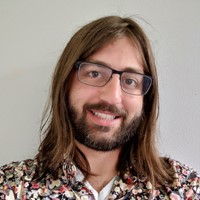
Bryan Cantrill
CTO
Oxide Computer Company

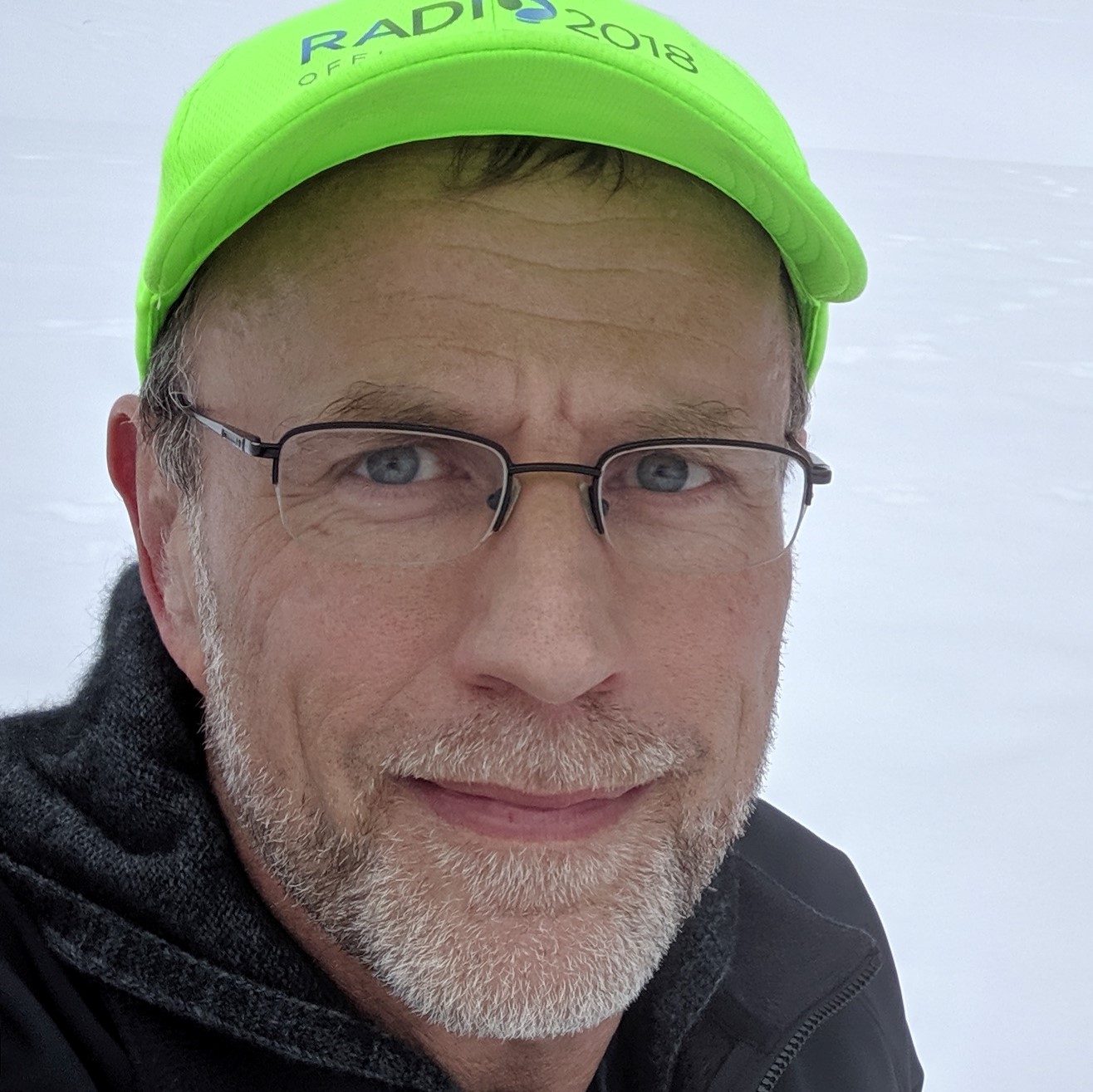
Liz Rice
Chief Open Source Officer
Isovalent

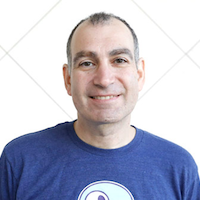
Gil Tene
CEO and Co-Founder
Azul Systems


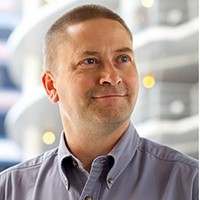
Steven Rostedt
Software Engineer
Google

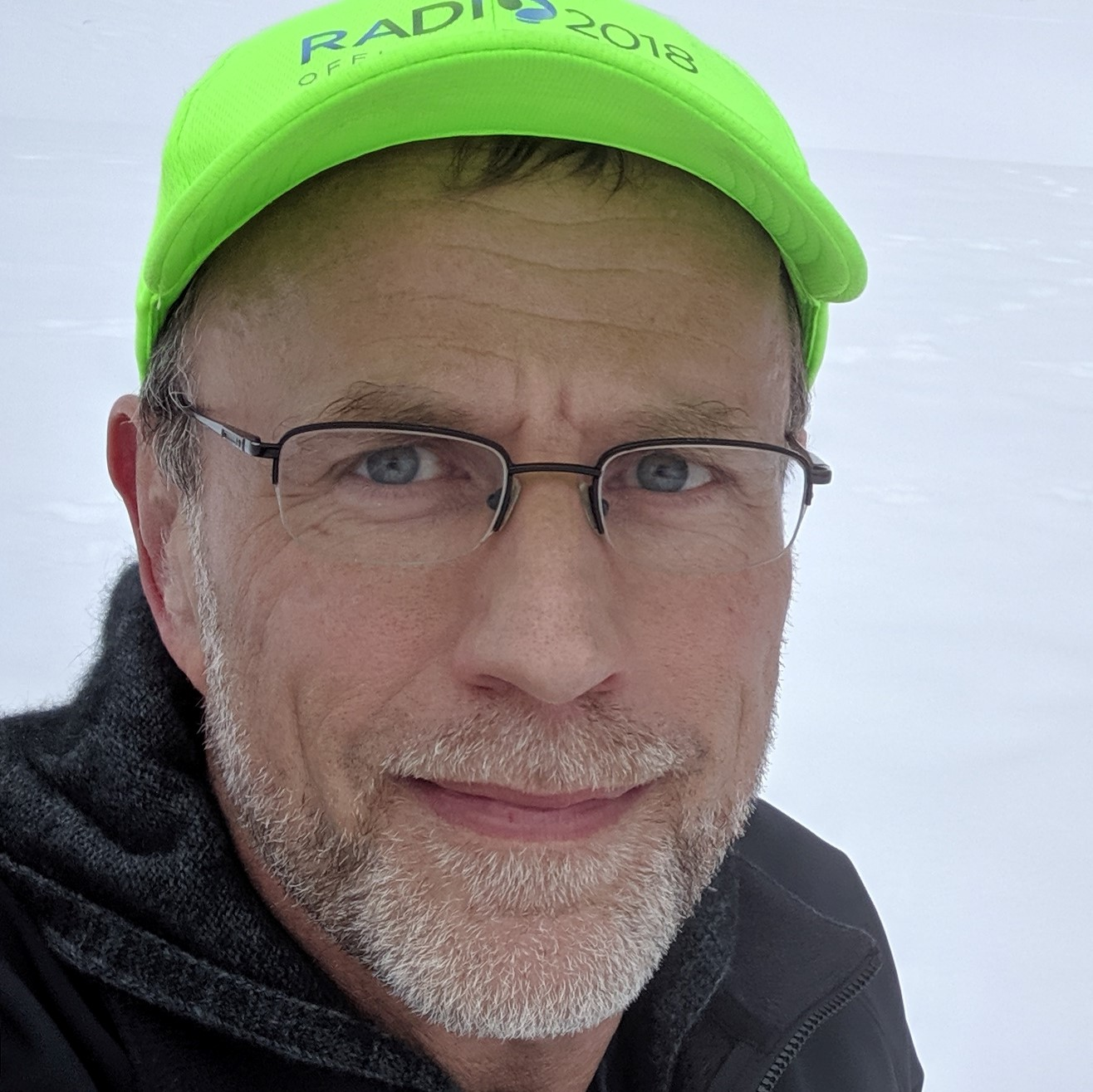
Bryan Cantrill is one of Silicon Valley’s strongest opinionators and best raconteurs. His career spans from his stints at Sun Microsystems and later Oracle, to now being deeply embedded in the embedded systems making Oxide Computer one of the strongest hardware manufacturers you’ll find in this next tech cycle.

Liz Rice loves making, understanding and explaining code. She is currently the Chief Open Source Officer at eBPF pioneer Isovalent, makers of the Cilium project. Throughout her career she has been a strong proponent of open source, either writing her own code, or co-chairing CNCF conferences like KubeCon and CloudNativeCon.

Gil Tene, CEO and Co-Founder of Azul Systems, was one of the people who got us to host P99 CONF in the first place. His seminal talk on How NOT to Measure Latency remains a lasting reminder to the industry to dig a little deeper into any performance numbers they get before they publish them.

Steven Rostedt is a veteran Linux kernel developer, focusing on the Real Time Stable releases and PREEMPT_RT patches, with career experience spanning such industry leaders as Red Hat, VMWare and now Google.

Additional Speakers

  • Charity Majors, CTO, Honeycomb
  • Avi Kivity, CTO & Co-Founder, ScyllaDB
  • Alexey Ivanov, Site Reliability Engineer, Dropbox
  • Omar Elgabry, Software Engineer, Block
  • Alex Hidalgo, Principal Reliability Advocate at Nobl9
  • Vlad Ilyushchenko, Co-Founder and CTO of QuestDB
  • Piotr Sarna, Principal Software Engineer, ScyllaDB
  • Peter Zaitzev, CEO and Co-Founder of Percona
  • Pavlo Stavytski, Senior Software Engineer, Lyft
  • Oren Eini, CEO of RavenDB
  • Max De Marzi, Jr., Developer, RageDB
  • Song Yuying, Database Performance Engineer, PingCAP
  • Matthew Lenhard, CTO of ContainIQ
  • Mark Gritter, Founding Engineer, Akita Software
  • Marek Galovic, Staff Software Engineer, Pinecone
  • Marc Richards, Performance Engineer, Talawah Solutions
  • Konstantin Osipov, Director of Software Engineering at ScyllaDB
  • Malte Ubl, Chief Architect, Vercel
  • Leandro Melendez, DevRel, Grafana k6
  • Sabina Smajlaj, Operations Developer, Hudson River Trading
  • Jeffery Utter, Staff Software Developer, theScore
  • Henrix Rexed, Senior Staff Engineer, Dynatrace
  • Garrett Hamelin, Developer Advocate, LogicMonitor
  • Felipe Oliveira, Senior Performance Engineer, Redis
  • Felipe Huici, CEO and Co-Founder of Unikraft UG
  • Dmitrii Dolgov, Senior Software Engineer, Red Hat
  • Daniel Salvatore Albano, Senior Software Engineer II, Microsoft
  • Cristian Velazquez, Staff Site Reliability Engineer, Uber
  • Chen Huansheng, Database Performance Engineer, PingCAP
  • Pavel Emalyanov, Developer, ScyllaDB
  • Brian Likosar, Senior Solution Architect, StormForge
  • Blain Smith, Senior Software Engineer, StackPath
  • Armin Ronacher, Creator of Flask and Principal Architect, Sentry
  • Antón Rodríguez, Principal Software Engineer, New Relic

Follow us on Twitter to hear announcements such as details of their talks and to learn of any more speakers we add to our lineup.

Watch the Sessions from P99 CONF 2021

To get a taste of what our 2022 event will be like, you can catch up on any or all of last year’s sessions now available on demand.
WATCH THE 2021 SESSIONS ON-DEMAND

REGISTER NOW FOR P99 CONF 2022

P99 CONF 2022 Call for Speakers

Editor’s Note: P99 CONF 2022 is now a wrap! You can (re)watch all videos and access the decks now.

ACCESS ALL THE VIDEOS AND DECKS NOW

P99 CONF was born out of the need for developers to create and maintain low-latency, high-performance, highly available applications that can readily, reliably scale to meet their ever-growing data and business demands.

P99 CONF is a cross-industry vendor-neutral free virtual event for engineers and by engineers. We believe there is a growing community of engineers, developers and DevOps practitioners who are each seeking to find or, moreso, to create their own innovative solutions to the most intractable big data problems, so we want to bring them all together in a community. That is what P99 CONF is all about.

When we launched P99 CONF last year, these were our principles and beliefs, andthe community proved us right. Thousands of professionals around the world attended live, and thousands more were able to watch our sessions on-demand in the weeks and months to follow. In our inaugural event, we had speakers from across the spectrum of the computing industry with talks spanning the following topics:

  • Advanced Programming Language Methods: Rust, C++, Java, Go
  • Advanced Operating System Methods: IO Rings, eBPF, tracing
  • Performance Optimization: measuring latency, minimizing OS noise, tuning, flamegraphs
  • Distributed Databases: ScyllaDB, Redis, Percona
  • Event Streaming Systems: Apache Kafka, Apache Pulsar, Redpanda
  • Distributed Storage Systems: Ceph, object compaction
  • Kubernetes, Unikernels, Hardware Architecture and more

Call For Speakers

For P99 CONF to truly succeed, it must be driven by leaders and stakeholders in the developer community, and we welcome your response to our Call for Speakers.

Are you a developer, architect, DevOps, SRE with a novel approach to high performance and low latency? Perhaps you’re a production-oriented practitioner looking to share your best practices for service level management, or a new approach to system management or monitoring that helps to shave valuable milliseconds off application performance.

BE A SPEAKER

All Things P99

P99 CONF is sort of a self-selecting audience title. If you know you know. If you are asking yourself “Why P99?” or “What is a P99?” this show may not be for you. But for those who do not know but are still curious, P99 is a latency threshold, often expressed in terms of milliseconds (or even microseconds) under which 99% of a network transaction occurs. Those last 1% of transactions represent the long-tail connections that can lead to retries, timeouts, and frustrated users. Given that even a single modern complex web page may be created out of dozens of assets and multiple database calls, hitting a snag due to even one of those long-tail events is far more likely than most people think. This conference is for professionals of all stripes who are looking to bring their latencies down as low as possible for reliable, fast applications of all sorts — consumer apps, enterprise architectures, or the Internet of Things (IoT).

P99 CONF is the place where industry leading engineers can present novel approaches for solving complex problems, efficiently, at speed. There’s no other event like this. A conference by engineers for engineers. P99 CONF is for a highly technical developer audience, focused on technology, not products, and will be vendor / tool agnostic. Vendor pitches are not welcome.

Sign Up Today!

Last year, thousands of people registered for our premier event. So even if you’re not up to speaking, we’d love to see you there! If your title includes terms like “IT Architect,” “Software Engineer,” “Developer,” “Software Engineer,” “SRE,” or “DevOps,” this is your tribe. Your boss is not invited.

P99 CONF 2022 will be held free and online October 19-20, 2022. You can sign up today for updates and reminders as the event approaches.

SIGN UP TODAY

Speaker FAQs

1. What type of content are you looking for? Is there a theme?

We’re looking for compelling technical sessions, novel algorithms, exciting optimizations, case studies, and best practices.

P99 CONF is designed to highlight the engineering challenges and creative solutions required for low-latency, high performance, high availability distributed computing applications. We’d like to share your expertise with a highly technical audience of industry professionals. Here are the categories we are looking for talks in:

  • Development — Techniques in programming languages and operating systems
  • Architecture — High performance distributed systems, design patterns and frameworks
  • Performance — Capacity planning, benchmarking and performance testing
  • DevOps — Observability & optimization to meet SLAs
  • Use Cases — Low-latency applications in production and lessons learned

Example topics include…

  • Operating systems techniques — eBPF, io_uring, XDP and friends
  • Framework development — Most exciting new enhancements of golang, Rust and JVMs
  • Containerization, virtualization and other animals
  • Databases, streaming platforms, and distributed computing technologies
  • Hardware advances — CPUs, SoCs, network and storage I/O
  • Tools — Observability tools, debugging, tracing and whatever helps your night vision
  • Storage methods, filesystems, block devices, object store
  • Methods and processes — Capacity planning, auto scaling and SLO management

2. Does my presentation have to include p99s, specifically?

No. It’s the name of the conference, not a strict technical requirement.

You are free to look at average latencies, p95s or even p99.9s. Or you might not even be focused on latencies per se, but on handling massive data volumes, throughputs, I/O mechanisms, or other intricacies of high performance, high availability distributed systems.

3. Is previous speaking experience required?

Absolutely not, first time speakers are welcome and encouraged!

Have questions before submitting? Feel free to ask us at community@scylladb.com.

4. If selected, what is the time commitment?

We are looking for 15-20 minute sessions which will be pre-recorded and live Q&A during the event. We expect the total time commitment to be 4-5 hours.

You’ll need to attend a 30 min speaker briefing and a 1 hour session recording appointment, all done virtually. Additionally, we ask that all speakers log onto the virtual conference platform 30 minutes before their session and join for live Q&A on the platform during and following their session. And, of course, all speakers are encouraged to attend the entire online conference to see the other sessions as well.

5. What language should the content be in?

While we hope to expand language support in the future, we ask that all content be in English.

6. What makes for a good submission?

There’s usually not one thing alone that makes for a good submission; it’s a combination of general worthiness of the subject, novelty of approach to a solution, usability/applicability to others, deep technical insights, and/or real-world lessons learned.

Session descriptions should be no more than 250 words long. We’ll look at submissions using these criteria:

Be authentic — Your peers want your personal experiences and examples drawn from real-world scenarios

Be catchy — Give your proposal a simple and straightforward but catchy title

Be interesting — Make sure the subject will be of interest to others; explain why people will want to attend and what they’ll take away from it

Be complete — Include as much detail about the presentation as possible

Don’t be “pitchy” — Keep proposals free of marketing and sales.

Be understandable — While you can certainly cite industry terms, try to write a jargon-free proposal that contains clear value for attendees

Be deliverable — Sessions have a fixed length, and you will not be able to cover everything. The best sessions are concise and focused.

Be specific — Overviews aren’t great in this format; the narrower and more specific your topic is, the deeper you can dive into it, giving the audience more to take home

Be cautious — Live demos sometimes don’t go as planned, so we don’t recommend them

Be rememberable — Leave your audience with take-aways they’ll be able to take back to their own organizations and work. Give them something they’ll remember for a good long time.

Be original — We’ll reject submissions that contain material that is vague, inauthentic, or plagiarized.

Be commercial-free — No vendor pitches will be accepted.

7. If selected, can I get help on my content & what equipment do I need?

Absolutely, our content team is here to help.

We will want to touch base with you 1-2 times to help you with any content questions you may need and offer graphic design assistance. This conference will be a virtual event and we’ll provide you with a mic and camera if needed (and lots of IT help along the way). Need something else? Let us know and we’ll do our best.

BE A SPEAKER

P99 CONF 2021 Agenda Online

P99 CONF is the conference for low-latency high-performance distributed systems. An event by engineers for engineers, P99 CONF brings together speakers from across the tech landscape spanning all aspects, from architecture and design, to the latest techniques in operating systems and development languages, to databases and streaming architectures, to real-time operations and observability.

P99 CONF is a free online virtual event scheduled for Wednesday and Thursday, October 6th and 7th, from 8:25 AM to 1:00 PM Pacific Daylight Time (PDT).

We recently published the full agenda, and wanted to share some of the highlights with you. You will find sessions from companies like Twitter, Netflix, WarnerMedia, Mozilla, Confluent, Red Hat, VMWare, Splunk, Datadog, Dynatrace, ScyllaDB, Couchbase, RedisLabs and more.


REGISTER NOW FOR P99 CONF

Keynote Speakers

  • Brian Martin, Twitter Site Reliability Engineer, will  talk about  reimplementing Pelikan, the unified cache project, in Whoops! I Wrote it in Rust!
  • Avi Kivity, ScyllaDB CTO, will speak on Keeping Latency Low and Throughput High with Application-level Priority Management.
  • Simon Ritter, Azul Deputy CTO, presents Thursday on how to Get Lower Latency and Higher Throughput for Java Applications.
  • Steve Rostedt, VMware Open Source Engineer, will dig deep into fstrace in his talk on New Ways to Find Latency in Linux Using Tracing.

General Sessions

Our general session tracks will run in two virtual stages, with each session running a brisk 20 minutes.

Wednesday, October 6th

  • Peter Zaitsev, Percona CEO, will describe USE, RED and Golden Signals methods in his talk Performance Analysis and Troubleshooting Methodologies for Databases.
  • Abel Gordon, Lightbit Labs Chief System Architect, will show how his team is Vanquishing Latency Outliers in the Lightbits LightOS Software Defined Storage System.
  • Karthik Ramaswamy, Splunk Senior Director of Engineering, will show how data, including logs and metrics, can be processed at scale and speed in his talk Scaling Apache Pulsar to 10 Petabytes/Day.
  • Denis Rystsov, Vectorized Staff Engineer, will discuss how you can tune for performance without discarding distributed transaction guarantees in his session Is it faster to go with Redpanda transactions than without them?
  • Heinrich Hartmann, Zalando Site Reliability Engineer, will go into the deeper maths and technical considerations in his level-setting session, How to Measure Latency.
  • Thomas Dullien, Optimyze.cloud CEO, will uncover all the hidden places where you can recover your wasted CPU resources in his session Where Did All These Cycles Go?
  • Daniel Brisntot de Oliviera, Red Hat Principal Software Engineer, will look into operating system noise in his talk OSNoise Tracer: Who is Stealing My CPU Time?
  • Marc Richards, Talawah Solutions, will show how he was able to optimize utilization in his talk Extreme HTTP Performance Tuning: 1.2M API req/s on a 4 vCPU EC2 Instance.
  • Sam Just, Red Hat Principal Software Engineer, will describe the underlying architecture of their next-generation distributed filesystem to take advantage of emerging storage technologies in his talk Seastore: Next Generation Backing Store for Ceph.
  • Orit Wasserman, OpenShift Data Foundation Architect, will talk about implementing Seastar, a highly asynchronous engine as a new foundation for the Ceph distributed storage system in her talk Crimson: Ceph for the Age of NVMe and Persistent Memory.
  • Pavel Emelyanov, ScyllaDB Developer, will show how, with the latest generation of high-performance options, storage is no longer the same bottleneck it once was in his session What We Need to Unlearn about Persistent Storage.
  • Glauber Costa, Datadog Staff Software Engineer, will address the performance concern on the top of developer minds in his session Rust Is Safe. But Is It Fast?
  • Jim Blandy, Mozilla Staff Software Engineer, will continue the dialogue on using Rust for I/O-bound tasks in his talk Wait, What is Rust Async Actually Good For?
  • Bryan Cantrill, Oxide Computer Company CTO, will look ahead to the coming decade of development in his session on Rust, Wright’s Law, and the Future of Low-Latency Systems.
  • Felix Geisendörfer, Datadog Staff Engineer, will uncover the unique aspects of the Go runtime and interoperability with tools like Linux perf and bpftrace in his session Continuous Go Profiling & Observability.

Thursday, October 7th

  • Tanel Poder will introduce a new eBPF script for Continuous Monitoring of IO Latency Reasons and Outliers.
  • Bryan McCoid, Couchbase Senior Software Engineer, will speak on the latest tools in the Linux kernel in his talk High-Performance Networking Using eBPF, XDP, and io_uring.
  • Yarden Shafir, CrowdStrike Software Engineer, will present on I/O Rings and You — Optimizing I/O on Windows.
  • Shlomi Livne, ScyllaDB VP of Research & Development, will engage audiences on How to Meet your P99 Goal While Overcommitting Another Workload.
  • Miles Ward, SADA CTO, will share his insights on building and maintaining Multi-cloud State for Kubernetes (K8s): Anthos and ScyllaDB.
  • Andreas Grabner, Dynatrace DevOps Activist, will also be talking about Kubernetes in his session on Using SLOs for Continuous Performance Optimizations of Your k8s Workloads.
  • Tejas Chopra, Netflix Senior Software Engineer, will describe how Netflix reaches petabyte scale in his talk on Object Compaction in Cloud for High Yield.
  • Felipe Oliveira, Redis Labs Performance Engineer, will speak on Data Structures for High Resolution and Real Time Telemetry at Scale.
  • Gunnar Morling, Red Hat Principal Software Engineer, will show off the capabilities of the Java JDK Flight Recorder in his session Continuous Performance Regression Testing with JfrUnit.
  • Pere Urbón-Bayes, Confluent Senior Solution Architect, will show audiences how to measure, evaluate and optimize performance in his talk on Understanding Apache Kafka P99 Latency at Scale.
  • Waldek Kozaczuk, OSv Commiter, will talk about building components for the video supply chain of CNN in his talk OSv Unikernel — Optimizing Guest OS to Run Stateless and Serverless Apps in the Cloud.
  • Felipe Huici, NEC Laboratories Europe, will showcase the utility and design of unikernels in his talk Unikraft: Fast, Specialized Unikernels the Easy Way.
  • Roman Shaposhnik, VP Product and Strategy, and Kathy Giori, Ecosystem Engagement Lead, both of Zededa will speak on RISC-V on Edge: Porting EVE and Alpine Linux to RISC-V.
  • Konstantine Osipov, ScyllaDB Director of Engineering, will address the tradeoffs between hash or range-based sharding in his talk on Avoiding Data Hotspots at Scale.

Register Now

While P99 CONF is totally free, open and online, make sure you register now to keep the dates booked on your calendar. We’re just six weeks to the event and are looking forward to seeing you all there!

REGISTER FOR P99 CONF NOW!

P99 Conf Logo
P99 CONF OCT. 21 + 22, 2026

Register for Your Free Ticket

Registering for P99 CONF includes 30-day access to the full O’Reilly learning platform!